Tell your MoCs: Vote No on KOSA - Again!
Call BOTH of your Senators.
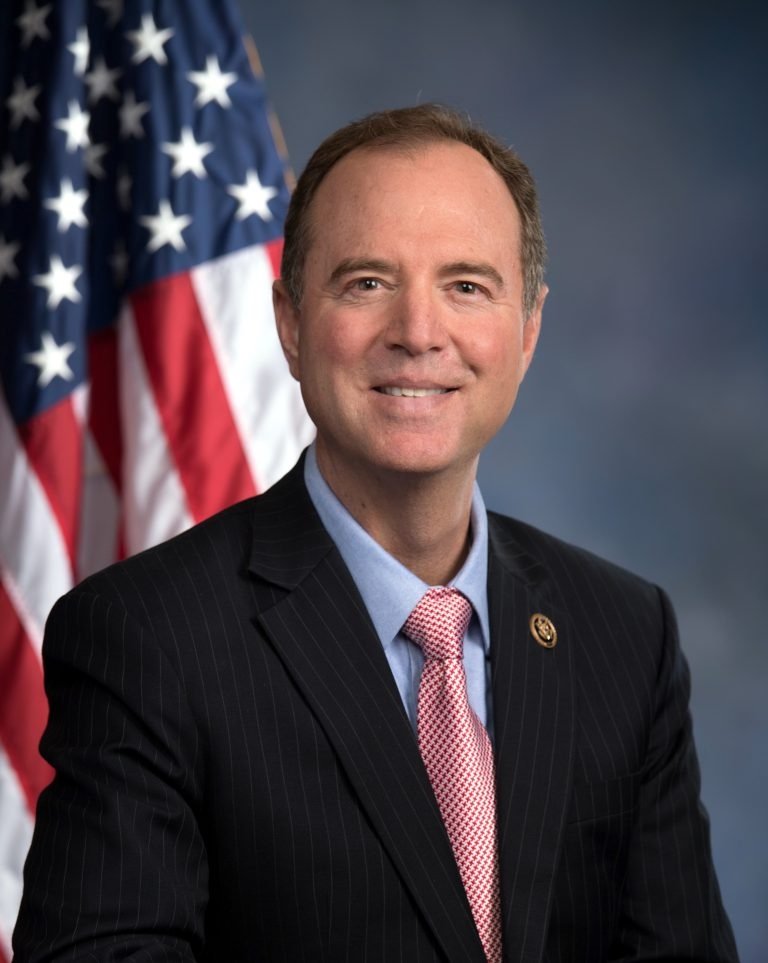
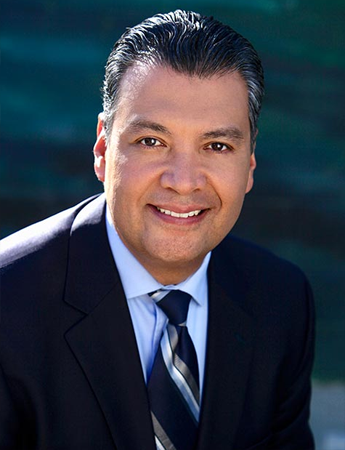
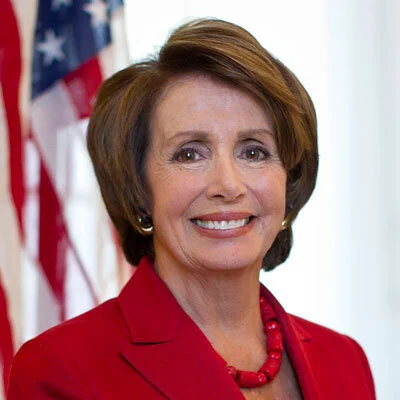
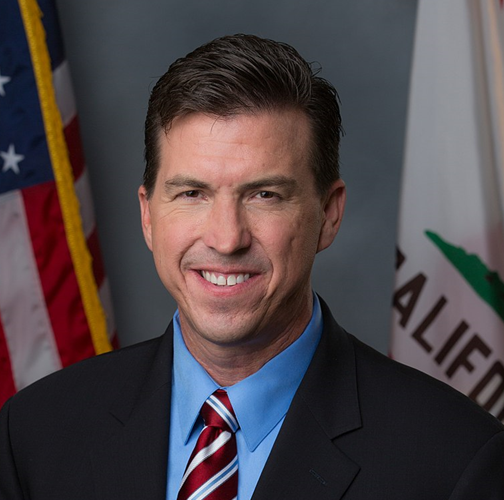
Call ONE of the Representatives. Note: only one of these Congressmembers represents you. Find out which one here.
Call Script
For your representative:
My name is _____, my ZIP code is _____, and I’m a member of Indivisible SF. I am urging you to vote NO on the 18-bill online safety package that recently passed out of the House Energy and Commerce committee. Most of these bills are age verification bills, which are censorship bills opposed by human rights groups such as the ACLU. I also oppose KOSA, the Kids Online Safety Act, which is part of this package. Thank you.
For your senators:
My name is _____, my ZIP code is _____, and I’m a member of Indivisible SF. I am urging you to vote NO on the 18-bill online safety package that recently passed out of committee in the House, if and when it should reach the Senate. Most of these bills are age verification bills, which are censorship bills opposed by human rights groups such as the ACLU. I also oppose KOSA, the Kids Online Safety Act, which is part of this package. Thank you
Background
Our online life is part of our lives overall, which means our rights online are our rights in real life and vice versa. Just as we enjoy the right to speak freely, seek information, and associate with other people in real life, we have those same rights online. These are your rights, and they are under attack—again.
The censorship bill known as the Kids Online Safety Act (KOSA) has been threatening those rights for years, repeatedly getting killed and coming back. When KOSA was first introduced in the Senate in 2022, the Center for Democracy and Technology spearheaded joint opposition to this misguided legislation with a letter signed by more than 90 organizations, including the American Civil Liberties Union, American Library Association, GLAAD, Wikimedia, various Indivisible groups, and many others.
Last July, KOSA passed the Senate overwhelmingly, proving that this bill is a credible threat. Currently, KOSA and the Children and Teens Online Privacy Protection Act (COPPA), another bill-that-will-not-die, are among the 18 online “safety” bills that have been advanced out of committee to the full House. All of these bills must be stopped, as they threaten the safety and security of people online while taking away resources for young people who need them. These bills will lead to increased surveillance and greater personal data collection while placing too much authority in the hands of law enforcement.
Already “age-verification” (more like “papers, please”) legislation in Mississippi, South Dakota, and Wyoming—and in other countries like the UK and Australia—has led platforms like Bluesky to block people in those jurisdictions from exercising their rights of free speech and association. KOSA would make this a nationwide requirement. Anything deemed to be an “adult” topic will be cut off from young people seeking to educate themselves or find community, as well as anyone else unwilling or unable to produce papers to prove their identity and age to a platform’s satisfaction.
And for those who do present their papers, those identity documents will get retained by each and every website operator, creating a data breach nightmare waiting to happen. The more personal information these platforms have, the more thieves can steal, if the companies don’t sell it themselves first.
You’ll be forced into a choice between showing your papers to participate in online life or getting cut off to preserve what’s left of your privacy. We need to stop these bills to prevent that future.
According to the Electronic Frontier Foundation, the harms include:
LGBTQ+ youth will be at risk of having content, educational material, and their own online identities erased.
Young people searching for information about their sexual health and reproductive rights will find their search results stymied.
Teens and children in historically oppressed and marginalized groups will be unable to locate online information about their history and shared experiences.
Activist youth on either side of the aisle, such as those fighting for changes to climate laws, gun laws, or religious rights, will be siloed, and unable to advocate and connect online.
Young people seeking mental health help and information will be blocked from finding it, because even discussions of suicide, depression, anxiety, and eating disorders will be hidden from them.
Teens hoping to combat the problem of addiction—either their own, or that of their friends, families, and neighbors—will not have the resources they need to do so.
Any young person seeking truthful news or information that could be considered depressing will find it harder to educate themselves and engage in current events and honest discussion.
Adults who are unwilling to share their identities will find themselves shunted onto a second-class internet alongside the young people who have been denied access to the full online public sphere.
The EFF has built a resource hub to educate and fight back against these intrusive surveillance measures. With the recent passage of the 18-bill online surveillance package out of the House Committee on Energy and Commerce, it is more important than ever that we let our representatives know that this legislation is unacceptable.
As there have been significant changes made in the legislation, if it passes the House, it will have to be approved by the Senate again. So now is the time to also let our senators know that we oppose this legislation, which is bad for everyone.
This Week's US Congressional Call Scripts: